
Cozy Couples: Relationship App
Gain ClarityLifestyle
4.7644.00 Reviews
- Version
- 1.0.0
- Installs
- 500.00K
- Age Rating
- Everyone
Screenshots

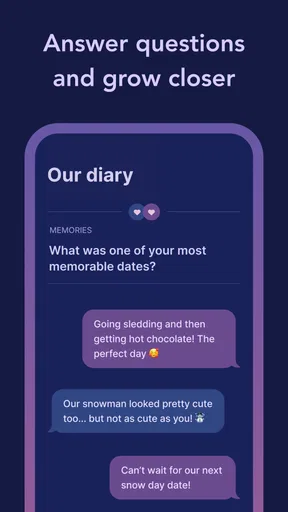
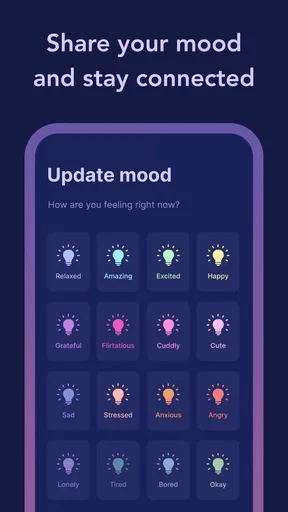
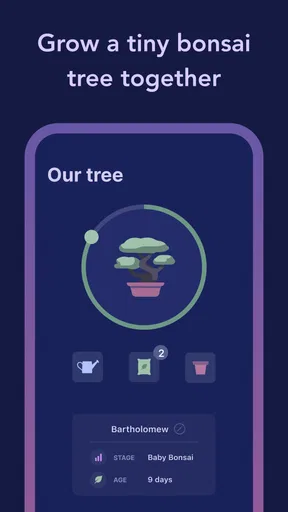

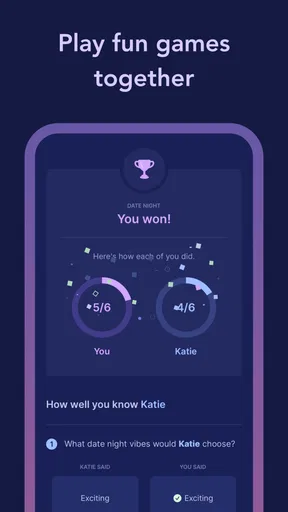

Our Review of Cozy Couples: Relationship App
 Analysis by Appyee
Cozy Couples: Relationship App is a lifestyle app from Gain Clarity built around shared affection and everyday connection. I approached it less like a productivity tool and more like a small private space for a couple to pause, notice one another, and keep positive moments from getting lost in a busy routine. That distinction matters: this is not the kind of app I would choose for managing a household, settling disagreements, or replacing a serious conversation. Its appeal is in creating a gentle reason to connect.
After spending time with it, my overall impression is that Cozy Couples works best when both people treat it as a shared habit rather than another app to maintain. The idea is easy to understand, and the free starting point makes it approachable. At the same time, the experience depends heavily on a smooth first setup and on both partners actually participating. If one person opens it enthusiastically while the other sees it as a chore, the value drops quickly.
Getting past the first points of friction
The first place I would expect users to get stuck is not the concept itself, but the transition from installing the app to making it feel like a shared space. Relationship apps usually need more than one person to be ready at the same time. That creates a different kind of friction from a normal solo lifestyle app: a delay, an incorrect entry, or a misunderstood invitation can make the app seem broken even when the real issue is simply that the two sides are not aligned.
My advice is to install it when both partners have a few uninterrupted minutes. Do not begin while one of you is commuting, cooking, or rushing between tasks. Agree beforehand on which person will start and which person will join. That tiny decision removes unnecessary back-and-forth and makes it easier to tell whether a problem comes from the setup process or from the phone itself.
I would also avoid treating the first session as a test that must be completed perfectly. The most useful relationship tools are often the ones people return to naturally, not the ones they configure with great seriousness. If the opening experience asks you to make choices, keep them simple and honest. A couple does not need to design an elaborate system before using a space intended for happy moments.
One practical issue is expectation. The store summary presents the app as a home for love and happy moments, while the short description calls it Cozy Couples. That wording suggests an emotional, shared experience rather than a comprehensive relationship-management suite. If you expect calendars, detailed planning, conflict coaching, or extensive journaling controls, you may feel that the app is too narrow. If you want a lightweight place to reinforce warmth between you, its focused approach makes more sense.
Setup checks that prevent avoidable confusion
Before blaming the app, I would run through a short checklist. First, make sure both people are using the intended app and that each person understands whether they are creating a shared space or joining one. Second, check that the app has finished loading before tapping repeatedly. Rapidly pressing buttons during a slow transition can create uncertainty about whether an action happened once, several times, or not at all.
Third, close other demanding apps and reopen Cozy Couples if a screen behaves strangely. This is ordinary troubleshooting, but it is especially useful during a first session because users often interpret a temporary loading issue as a problem with their relationship space. A clean restart is a better first move than repeatedly changing settings or reinstalling immediately.
The app is free to install, which lowers the barrier to trying it. It also includes optional in-app purchases ranging from $1.99 to $39.99 per item. I would recommend exploring the basic experience before spending anything. That gives you a fair answer to the most important question: will both of you actually return to it? A paid option cannot fix a lack of shared interest, and a couple should not feel pressured to purchase simply to prove commitment.
Device compatibility is another useful check. Cozy Couples requires Android 7.0 or later, so an older Android phone may be the reason an installation or update does not go smoothly. On a compatible device, I would still make sure there is enough free storage and that the operating system is not waiting for a pending restart. These are simple checks, but they often explain installation trouble more reliably than the app’s purpose does.
Because the app is rated for Everyone, I see it as approachable for a broad audience. That rating should not be confused with a promise that every couple will find the tone suitable. Some people prefer direct conversation, a shared notes app, or a private journal. The age label says something about general suitability, not whether the emotional style will fit your relationship.
Recovering a workflow when something goes wrong
When a shared workflow breaks, I prefer recovering in small steps. Start by deciding what both partners can currently see. If one person sees a different state from the other, compare the exact point at which the experiences diverged rather than trying to redo everything at once. Reopen the app on both phones, wait for the main screen to settle, and then attempt one action only.
If that does not help, use a basic sequence: confirm the internet connection, force-close the app, reopen it, and check for an available update through the normal app store. If the issue began after switching between Wi-Fi and mobile data, reconnect to one stable network before trying again. I would avoid deleting the app as an early response, especially if you are unsure how shared content is handled. Reinstallation should be a later step, not an automatic one.
Another useful habit is to keep the emotional purpose separate from the technical problem. If a moment you wanted to share is delayed, send your partner a normal message or say it directly, then return to the app when it is working. That prevents a minor loading issue from turning into a disappointing evening. The app should support connection, not become the only channel through which affection is expressed.
For couples who use the app irregularly, a simple recovery routine helps. Open it together, agree on one small action, and stop there if the experience feels awkward. Trying to catch up on every missed moment can make the app feel like homework. I found that a modest return is more sustainable than attempting to recreate weeks of activity in one sitting.
It is also worth paying attention to duplicate actions. When a button appears slow, wait before tapping again. If you are unsure whether something saved, leave the screen and return once rather than submitting repeatedly. This is not a special feature of Cozy Couples; it is a sensible way to avoid clutter in any shared app where both people may be acting from separate phones.
When the app is not really the cause
Some frustrations have more to do with expectations or relationship dynamics than with software. If one partner dislikes sharing personal thoughts digitally, no amount of setup will make the experience feel natural. In that situation, a walk, a shared meal, or a simple conversation may be a better alternative. I would not recommend pushing the app as evidence of affection. Participation is more meaningful when it is voluntary.
The same applies when a couple is dealing with a serious conflict. A cozy lifestyle app can encourage positive attention, but it should not be used to avoid a difficult discussion or to make a complex problem look solved. If the main need is communication support, structured counseling resources or a direct conversation will be more appropriate. This app is better at creating small reminders of closeness than at handling deep disagreement.
It may also be the wrong choice for couples who want detailed organization. A shared calendar, task manager, notes app, or household planner will usually be stronger for appointments, shopping, chores, and logistics. Those tools are designed around efficiency. Cozy Couples is more appealing when the goal is emotional atmosphere and shared appreciation, not getting a family schedule under control.
Privacy expectations can create another mismatch. Before entering anything personal, I would read the app’s current store and in-app explanations carefully and decide what both partners are comfortable sharing. Even in a relationship, people can have different boundaries. A good shared workflow includes agreement about what belongs in the app and what should remain a private conversation or personal note.
There is also a difference between occasional novelty and a lasting routine. The app may feel especially pleasant during a new relationship, a holiday, or a period when both partners are intentionally reconnecting. Later, its usefulness depends on whether it fits ordinary life. I would judge it after using it through a normal week, not only after an enthusiastic first evening.
How it compares with familiar alternatives
Compared with a messaging app, Cozy Couples offers a more intentional setting. Messaging is faster and more flexible, but affection can disappear among work updates, links, notifications, and practical questions. A dedicated couple-focused space can make positive interaction feel more deliberate. The trade-off is that messaging already has a powerful advantage: both people probably open it multiple times a day without needing to build a new habit.
Compared with a shared notes app, this app should feel more emotionally directed, while notes are better for free-form writing and long-term reference. Notes can handle grocery lists, travel plans, and detailed reflections in one place. A relationship-focused app is less useful for those mixed purposes, but that limitation can also keep its attention on the couple rather than turning it into another household inbox.
Compared with a habit tracker, the measure of success is different. A habit tracker rewards consistency and visible progress. That can motivate some users, but it may also make affection feel like a score. I prefer the softer approach here because a missed day should not feel like a failure. On the other hand, people who need reminders, streaks, or clear goals may find a conventional habit tool easier to follow.
Compared with relationship games or conversation-card apps, Cozy Couples appears better suited to becoming a home base than to providing a single structured activity. Conversation tools are useful when a couple wants prompts for a date night or needs help getting beyond routine talk. This app is a better fit when the couple wants an ongoing place for positive moments, but it may feel less stimulating if you are looking for a large collection of guided activities.
Who will get the most from it
I would recommend Cozy Couples to partners who already like exchanging small messages of appreciation and want a dedicated place for that habit. It is particularly suitable for couples who are busy, live apart for periods, or simply notice that practical conversations have started to crowd out warmth. The app does not need to become a daily obligation to be useful; even a gentle shared ritual can make a difference when both people enjoy it.
A realistic example would be a couple with different work schedules. One person finishes early and has a quiet moment, while the other is still dealing with a late shift. Instead of sending another logistical message about dinner, the first person opens the app to leave something positive for later. The second person can encounter that moment when the day becomes less hectic. The value is not in replacing a conversation, but in giving the conversation a warmer starting point.
I can also see it helping couples who are physically together but mentally overloaded. When work, errands, and household responsibilities fill the evening, opening a shared relationship space can act as a small reset. The important tip is to keep the action light. If every use requires a long entry or a carefully planned response, the app becomes another demand on limited attention.
I would be more cautious recommending it to someone who wants extensive customization, measurable relationship goals, or professional guidance. It is also not ideal for a person whose partner is unwilling to participate. In those cases, a solo journaling app, a messaging routine, a shared calendar, or a qualified counselor may offer more practical value.
What the numbers suggest, and what they do not
The app has reached over 500K installs and holds a 4.7 average from around 8K ratings, with 644 written reviews. Those figures suggest that the basic idea has connected with a substantial group of users, and the high average is encouraging for anyone considering a trial. I still would not treat popularity as proof that the app will fit every relationship. Shared emotional tools are personal, and a highly rated experience can remain wrong for a couple that prefers direct conversation or broader planning features.
Gain Clarity released it on January 30, 2024, and the current version is 1.0.0. That context makes me approach it as an experience worth testing with realistic expectations rather than as a mature replacement for every relationship tool. Early versions can be appealing because the purpose is focused, but users should pay attention to how comfortably the app fits their own routine instead of assuming that a polished first impression guarantees long-term usefulness.
Since the app is free, trying the core experience is relatively low risk. The optional purchases deserve a deliberate decision, though. I would only consider them after both partners have used the app enough to understand what they value. If the free experience already supports your routine, purchasing should be about a clearly useful addition, not about solving setup frustration or compensating for inconsistent participation.
My practical verdict
My recommendation is positive, with a clear condition: choose Cozy Couples if you want a gentle shared space for affection and happy moments, not a complete relationship-management system. Its strongest quality is its focus. Instead of trying to organize every part of a couple’s life, it encourages attention toward the relationship itself. That can be exactly what gets lost when ordinary communication becomes mostly logistical.
The main weakness is equally clear. The app depends on cooperation, timing, and a willingness to form a new habit. Setup can feel more complicated than expected because two people are involved, and technical hiccups can be confusing when each partner sees the experience from a different phone. The best response is to start together, keep the first session simple, use ordinary troubleshooting before reinstalling, and avoid making the app responsible for emotional needs it was not designed to handle.
For me, the deciding test is simple: after the novelty fades, does opening it make connection easier or does it feel like another task? If it makes small moments of appreciation more visible without demanding too much effort, it earns a place in a couple’s routine. If you need planning, therapy-style guidance, extensive journaling, or a tool that works fully on your own, I would choose a different category instead.
As a free lifestyle app from Gain Clarity with an Everyone rating, Cozy Couples is easy to approach and reasonable to try. I would begin without purchasing anything, install it on compatible Android hardware, and use it during an ordinary week with an agreed-upon low-pressure routine. The best way to use it is as a doorway to real connection, never as a substitute for it. That is where this small, focused app has the most convincing value.
Verdict
Strengths of Cozy Couples: Relationship App
- Daily prompts make it easier to start meaningful conversations.
- Shared activities can help couples build regular connection habits.
- The interface is generally simple and easy to navigate.
- Useful for long-distance couples who want structured interaction.
- Private couple-focused features keep conversations more personal.
Limitations of Cozy Couples: Relationship App
- Some features may require a paid subscription or in-app purchases.
- Not every prompt will feel relevant to every relationship.
- Limited value for couples who already communicate frequently.
- Requires both partners to participate for the best experience.
- Notifications may become repetitive if used every day.
Similar Picks in This Category
View All
SmartThings
Samsung Electronics Co., Ltd.4.6

Google Home
Google LLC4.0

Pinterest4.2

Astrotalk - Talk to Astrologer
Astrology & Horoscope4.7

My Verizon
Verizon Consumer Group4.5

Samsung Wallet (Samsung Pay)
Samsung Electronics Co., Ltd.4.1
Frequently Asked Questions
What is Cozy Couples: Relationship App and who is it designed for?
Cozy Couples: Relationship App is designed to help partners stay connected, communicate more intentionally, and create shared moments through relationship-focused activities. It may be useful for couples in new relationships, long-term partnerships, or long-distance situations. The app is generally best viewed as a supportive tool for conversations and bonding, rather than a replacement for honest communication or professional relationship counseling.
What features can couples expect to find in Cozy Couples?
The app typically focuses on interactive relationship activities, conversation prompts, questions, and shared experiences that encourage partners to learn more about each other. Depending on the current version, some content may include daily prompts, couple challenges, compatibility-style activities, or personalized suggestions. Features and available sections can change with updates, so users should check the app listing for the latest details before downloading.
Is Cozy Couples: Relationship App free to download and use?
Cozy Couples may be available as a free download, but some features, activities, or premium content could require in-app purchases or a subscription. Before starting a trial or entering payment information, review the pricing, renewal terms, and cancellation instructions shown in the App Store or Google Play listing. Availability and costs can also vary depending on your country, device, and the developer’s current offers.
Does Cozy Couples protect private relationship information?
Because a relationship app may involve personal answers, preferences, messages, or shared couple activities, privacy should be considered before use. Read the app’s privacy policy and store disclosures to understand what information is collected, how it is stored, and whether it is shared with service providers. Avoid entering highly sensitive information unless you are comfortable with the app’s data practices and account settings.
Can Cozy Couples help with serious relationship problems or conflicts?
Cozy Couples can encourage conversation and provide prompts that make it easier to discuss feelings, preferences, and everyday relationship topics. However, it should not be treated as therapy or as a solution for serious conflict, abuse, mental health concerns, or major relationship crises. Couples facing persistent or difficult problems should consider speaking with a qualified therapist or another trusted professional.
